
Drug interactions, Drug safety
7 Common Medications You Should Never Take With Grapefruit Juice
Jun
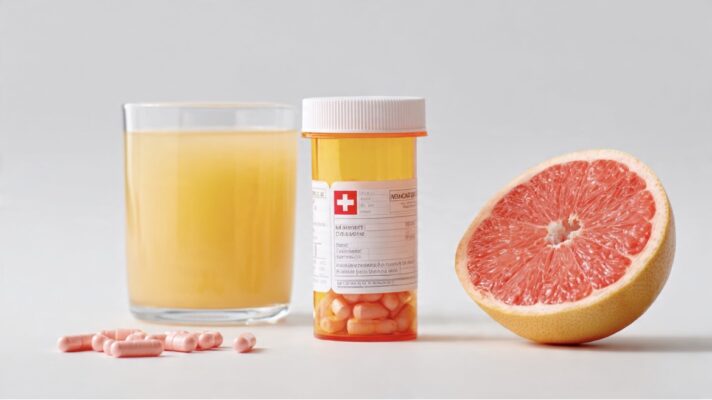
Grapefruit for breakfast seems healthy. But for some people, it can turn a normal medication into a overdose.
It’s not a myth. Pharmacists warn about this every day. Grapefruit juice changes how your body breaks down certain drugs, making them much stronger than intended.
If you or someone you know takes prescription meds, this 3-minute guide could prevent a serious problem.
Why Grapefruit Affects Medications
Grapefruit contains compounds called furanocoumarins. They block an enzyme in your gut called CYP3A4.
This enzyme’s job is to break down many medications before they enter your bloodstream. When it’s blocked, more of the drug gets absorbed at once. Think of it like removing the safety valve.
Key fact: The effect can last 24-72 hours from just one glass of juice. Whole grapefruit and grapefruit juice both do this. Seville oranges and pomelos can too.
7 Common Medication Types to Avoid With Grapefruit
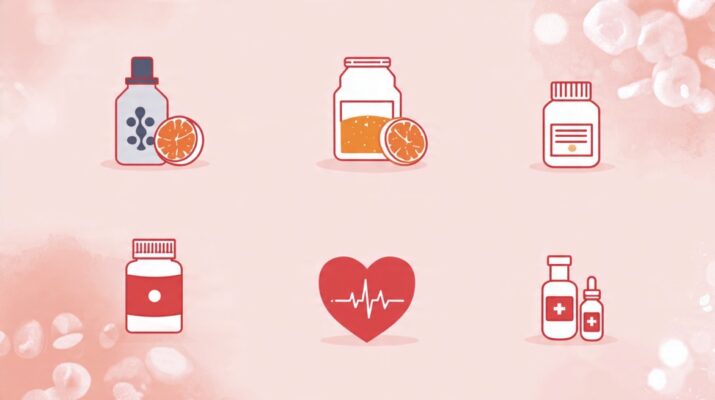
Always check your medication guide. If you’re unsure, ask your pharmacist. Here are the 7 most common categories:
1. Statins – Cholesterol Medications
Examples: Simvastatin, Atorvastatin, Lovastatin
Risk: Muscle pain, muscle damage called rhabdomyolysis. Some statins like Pravastatin and Rosuvastatin are safer options.
2. Calcium Channel Blockers – Blood Pressure Meds
Examples: Felodipine, Nifedipine, Verapamil
Risk: Dangerously low blood pressure, dizziness, fainting, swelling.
3. Anti-Anxiety & Sleep Medications
Examples: Buspirone, Triazolam, Midazolam
Risk: Extreme drowsiness, confusion, slowed breathing.
4. Some Antiarrhythmics – Heart Rhythm Meds
Examples: Amiodarone, Quinidine
Risk: Irregular heart rhythm that can be life-threatening.
5. Immunosuppressants – After Organ Transplants
Examples: Cyclosporine, Tacrolimus, Sirolimus
Risk: Toxic drug levels that can damage kidneys or cause rejection.
6. Some Erectile Dysfunction Medications
Examples: Sildenafil, Tadalafil
Risk: Severe drop in blood pressure, prolonged side effects.
7. Certain Antihistamines
Examples: Fexofenadine is actually SAFER with food, but some others like Loratadine can have increased levels.
Note: This one is mixed, which is why you must read the label.
What Citrus IS Safe With Medications?
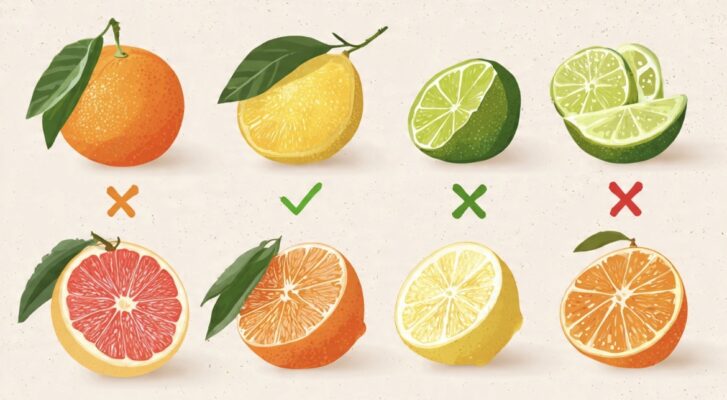
Not all citrus is banned. Most patients can safely have:
- Oranges & Orange Juice: Regular sweet oranges are fine for most drugs.
- Lemons & Limes: Do not block the CYP3A4 enzyme.
- Mandarins/Tangerines: Usually safe, but check if it says “Seville orange” or “bitter orange.”
When in doubt, switch to orange juice for breakfast while on these meds.
FAQ: Grapefruit and Medications
1. How much grapefruit is dangerous?
Even half a grapefruit or 8oz of juice can cause an interaction. It only takes a small amount.
2. Does cooking or canning remove the risk?
No. Heating does not destroy the compounds that cause the interaction.
3. What if I already drank grapefruit juice?
Don’t panic, but don’t take your next dose until you talk to your pharmacist or doctor. The effect can last 2-3 days.
Medical Disclaimer: *This article is for educational purposes only and is not medical advice. Grapefruit interactions vary by medication and by person. Always talk to your pharmacist or doctor before making any changes to your diet or medications. If you experience severe side effects, seek medical care right away.*
